Did you know?
- 1 in 3 people killed or injured in crashes involving speed are not the driver of the vehicle.
- Around half of all serious speeding crashes happen at less than 10km/h above the speed limit1.
- Just over 5km/h above the speed limit in urban areas (and 10km/h above in rural areas) is enough to double the risk of a casualty crash2.
- 54% of Queensland drivers admit to speeding on more than half of their road trips3.
You Lapse, You Lose.
The consequences of speed
The role of a paramedic is to save lives at the scene of a road crash. However, their advice can also help prevent fatalities and injuries before they happen. Watch to learn how you can stay safe.
Watch “The dangers of speeding”
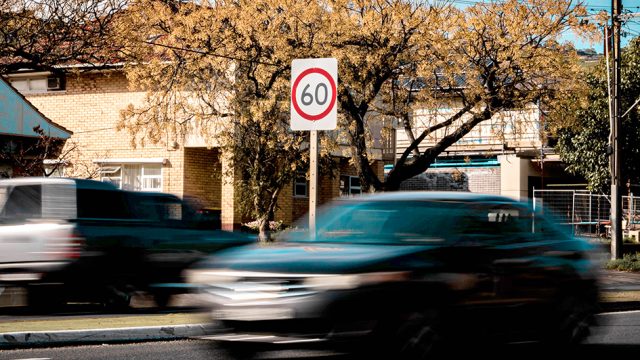
Speeding is driving faster than the posted speed limit. It also means driving too fast for the conditions and the driver’s skill and experience.
Speeding is one of the major killers on Queensland roads. On average 80 people are killed and 409 seriously injured each year on Queensland roads as a result of speed-related crashes. Many of those hospitalised will suffer from the effects of their injuries for the rest of their lives³.
Driving within the speed limit maximises your stopping distance, giving you more time to react to:
- the actions of other road users around you like vehicles, pedestrians and cyclists
- changes to the road environment itself such as pot holes and obstacles.
Who’s hurt by speeding?
One in three people killed or injured in crashes involving speed are not the driver of the vehicle. Find out why these road users are so vulnerable.
Bike Riders
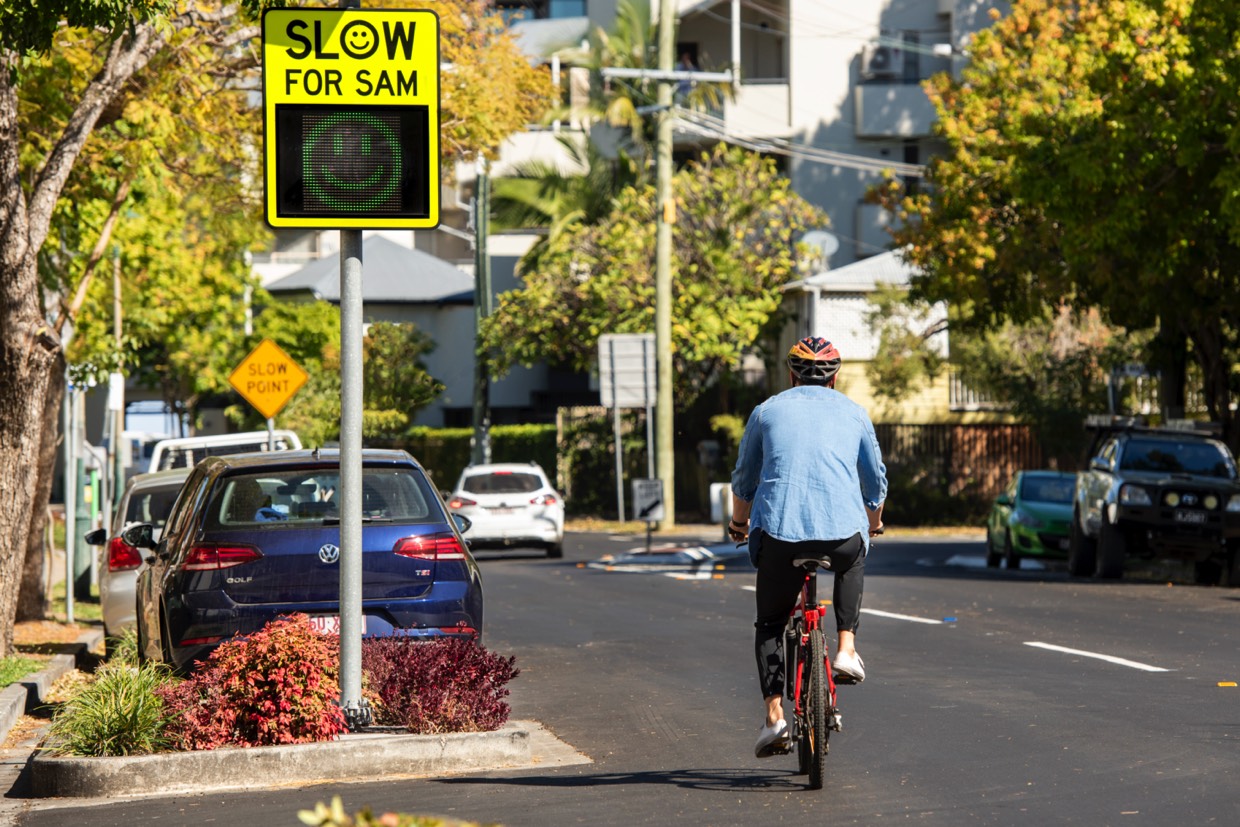
Bicycle riders can be difficult to see and on occasion can be unpredictable. Keeping to the speed limit gives drivers time to avoid possibly deadly collisions and keeps the roads safe for all users.

Young men
Young men are sometimes prone to risk-taking behaviour like speeding. Encouraging family and friends to think about their speed and keep to the speed limits is an important part of keeping them safe.

Older people
Some older people may have slower reaction times. Observing speed limits allows drivers to stop in time to keep older people safe.
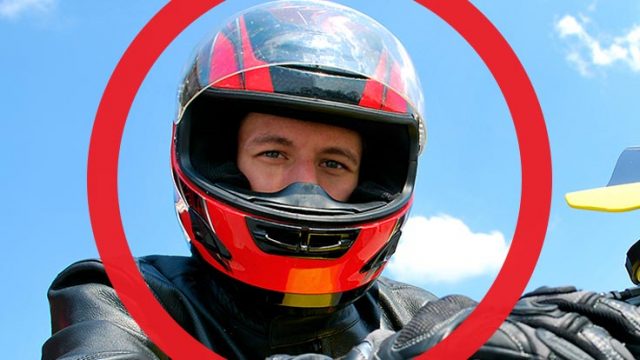
Motorcyclists
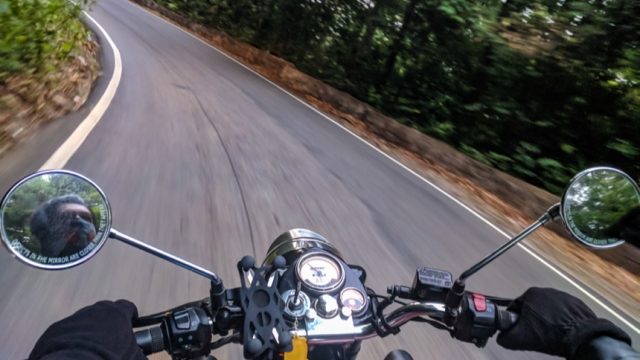
Even with the best protective gear, a motorcyclist often comes off second best if hit by a car at speed. They’re often hard to see, often appearing without drivers realising they’re there. The best way to avoid collisions is to observe speed limits.
Road workers
Road workers’ jobs require them to be exposed to traffic. Slowing down around road works and keeping to the (often reduced) speed limits will help avoid injuries and deaths amongst the people who work on our roads.

Young children
Children often behave unpredictably and no matter how well they’re taught, won’t always do the right thing when crossing the road. Keep to the speed limit to give yourself the best chance of stopping in time to avoid hitting a child.
See the truth behind the excuse.

“I resent speed cameras, they’re all about revenue raising.”
Speed camera fines don’t go into general government revenue. They are used to improve sections of roads where crashes occur, road safety education and awareness programs, and injury rehabilitation programs.

“Everyone drives a little over the limit so it can’t be that dangerous.”
Over half of all crashes involving speed happen at up to 10km per hour over the speed limit.

“I might speed a little when I’m running late, but not dangerously fast.”
Even a few kilometres over the speed limit can be the difference between stopping in time and a devastating collision.
Speeding quick quiz
Think you know your stuff? Take this quiz and test yourself about the dangers of speeding.